Don’t miss anything. Follow Us.

Top

Dr. Shantibhusan Senapati

Academics

Degree University/Institution
B.V.Sc. & A.H.College of Veterinary Science and Animal Husbandry, OUAT, Odisha, India
Ph.D.Department of Biochemistry and Molecular Biology, University of Nebraska Medical Center, USA

Work Experience

Position University/Organisation Period
Scientist-FInstitute of Life Sciences, BhubaneswarSince January 2024
Scientist-EInstitute of Life Sciences, Bhubaneswar2019-2023
Scientist-DInstitute of Life Sciences, Bhubaneswar2015-2018
Ramalingaswami Fellow ScientistInstitute of Life Sciences, Bhubaneswar2012-2015
Postdoctoral ResearcherOhio State University, Comprehensive cancer center, Columbus, Ohio, USA2010-2012
Research AssistantUniversity of Nebraska Medical Center, Omaha, NE, USA2005-2010
Junior Veterinary OfficerGovernment Hospital, Kandhamala, Orissa, India2003- 2005
Veterinary Extension OfficerHeifer Project International, Bhubaneswar, India2002-2003

Awards & Recognition

Details

Academic Awards and Achievements

  1. Harris award in cancer research, UNMC, NE, USA, 2010
  2. Harris award in cancer research, UNMC, NE, USA, 2009

Fellowships

    1. Ramalingaswami Fellowship, Department of Biotechnology, India, 2012-2017
    2. Pelotonia Postdoctoral Fellowship Ohio State University, Comprehensive cancer center Columbus, Ohio, USA , 2011- 2012
    3. Predoctoral Prostate Cancer Research Training Award Department of Defense, USA, 2009- 2010
    4. University student fellowship UNMC, NE, USA, 2008-2010
    5. Research assistantship UNMC, NE, USA, 2005-2008

Research

Details

Our lab focusses on understanding the tumor microenvironment (TME) of pancreatic and prostate cancers, with emphasis on immune regulation, stromal interactions, and infection-driven inflammation. We develop and use clinically relevant animal models and patient-derived samples to explore mechanisms of cancer progression and identify novel therapeutic strategies, including drug repurposing and immunomodulation. In parallel, we investigate the role of probiotics and microbiota in health and disease, advancing indigenous and marine probiotic strains as potential bio-therapeutics. Our expertise in animal models also enabled critical contributions to COVID-19 research and therapeutic development.

Understanding and targeting pancreatic cancer tumor microenvironment

One of the major focus of lab is to elucidate the cellular and molecular intricacies of Pancreatic Ductal Adenocarcinoma (PDAC) tumor microenvironment (TME) and evaluate potential TME-targeting therapies by using clinically relevant animal models and human patient derived cells and/or tissue samples. Immune competent animal models are potential tools to carry out TME related studies. In this regard our lab has characterised and used a hamster pancreatic cancer cell line (HapT1) -derived syngeneic PC tumor model (Oncotarget, 2016). The findings of this study motivated us to investigate the role of macrophage migration inhibitory factor (MIF) in PDAC. The findings of our study showed the pro-tumorigenic role of MIF expressed by both cancer cells and cancer associated fibroblasts (CAFs) (Scientific reports 2019; FASEB J., 2022). Recently, our lab has also established well characterised multiple syngeneic mouse pancreatic cancer cells lines derived from genetically modified mouse models. These cell lines derived animal models are helping us to address multiple questions associated with TME and its-targeted therapy. Our lab has a significant interest in identifying potential immunomodulators and in this regard we are exploring potential novel approaches by using existing drugs and/or novel drug candidates that could be useful to be used as potential therapeutic approaches. One of our studies has shown that gemcitabine induces polarization of mouse peritoneal macrophages towards an M1-like phenotype with antitumor effects via reactive oxygen species production (Clin Exp Metastasis, 2022). Further we reported that statins counteract gemcitabine-induced PD-L1 expression in pancreatic cancer-associated fibroblasts and cancer cells, leading to improved cancer therapeutic outcomes (Cancer Immunol Immunother, 2023). Our efforts on drug repurposing revealed that Fluvastatin can be used as radio sensitizer to suppress tumor-associated fibrosis (Lab Invest, 2021). One of our lab interests was to investigate the roles of cancer testis antigen molecules MAGEA3 and ATAD2 in PDAC. The findings of our study showed that MAGEA3 overexpression in pancreatic cancer cells confers survival advantage to these cells (J Exp Clin Cancer Res, 2019). Through collaborative studies we also found that MicroRNA-217 modulates pancreatic cancer progression via targeting ATAD2 (Life Sciences, 2022). These findings have provided rationale in designing potential novel therapeutics against PDAC. Currently, we are conducting two major studies with an objective to elucidate the heterogeneity of PDAC-associated CAFs and understand the role of different CAF subpopulations on immunomodulation.

Investigating bacteria and its derived products on cancer pathogenesis and response to therapy

Our lab has interest in understanding and targeting inflammation and/or infection-mediated events in prostate and pancreatic cancers. Like many other cancers, prostate cancer patients are susceptible to various infections. Our work demonstrated that TLR4 activation by lipopolysaccharide confers a survival advantage to growth factor-deprived prostate cancer cells, emphasizing the critical role of inflammation and innate immune signalling in cancer cell survival (Prostate, 2015). Another study revealed that lipopolysaccharide (LPS) enhances prostate cancer metastasis potentially through NF-κB activation, further highlighting the link between infection-driven inflammation and cancer progression (Prostate, 2018). Further, our study found Escherichia coli to be commonly present in benign prostate hyperplasia-associated microbiota, induces inflammation and DNA damage in prostate epithelial cells, linking infection with cancer development (Prostate, 2020). Currently, we are investigating the role of bacteria and its derived products on cancer TME and specifically on immune cells and its consequence on response to various therapeutics.

Isolation, characterisation and use of probiotics for animal/human health and diseases

Apart from cancer biology, our lab has emerged as a key contributor in investigating the role of indigenous probiotics in human health, disease prevention, and therapy. We initially participated in the ILS flagship project on- Tribal Health and Nutrition, funded by DBT, where our group isolated potential probiotic strains from tribal stool samples and traditional fermented beverages.  This work led to the comprehensive characterization of promising indigenous probiotic strains such as Ligilactobacillus salivarius F14, Lactiplantibacillus plantarum ILSF15 and Levilactobacillus brevis ILSH3, highlighting their potential as novel bio therapeutics (World J Microbiol Biotechnol. 2023; Gene, 2024; Probiotics Antimicrob Proteins, 2024). Investigation of these strains provided critical insights into the genomic basis of probiotic function, safety and their adaptability to human gut environments while also demonstrating their antimicrobial, anti-cholesterol, and immunomodulatory properties. Our ongoing research is evaluating the preventive and/or therapeutic potential of these strains in models of non-alcoholic fatty liver disease and pancreatic cancer. Our lab is also an active participant in the multi-institutional Himalayan Bio-mission Project, funded by DBT. In this project, our group is conducting toxicological assessment of functional food formulations developed using characterized indigenous strains to ensure their safety and regulatory readiness for nutraceutical applications. Recently, our lab is actively involved in a new institutional initiative for Marine Bioprospecting under the Deep Ocean Mission (supported by MoES), where we aim to isolate novel probiotic candidates from marine ecosystems for use in functional foods, bio therapeutics, aquaculture, and environmental bioremediation.

COVID-19 research and animal models

With our prior expertise in developing clinically relevant animal models, our group played a pivotal role during the COVID-19 pandemic. Supported by BIRAC funding, we established the BRIC-ILS ABSL-3 animal challenge platform for SARS-CoV-2 research, making our institute one of the few national facilities capable of developing and utilizing such models at a critical time. This platform not only enabled essential COVID-19 studies but also served multiple government and private organizations in a fee-for-service mode. Our research contributed to understanding SARS-CoV-2 biology, transmission, and pathogenesis (FASEB J., 2021; Eur J Pharmacol., 2023; Indian Patent: 202231071195). Building on this foundation, we are now engaged in the identification and validation of potential drug candidates against COVID-19-associated lung fibrosis, leveraging both in vitro and in vivo models.

Publications

Details

Publications from ILS, Bhubaneswar

Original research articles

  1. Parida D, Mishara S, Mohaoatra AP, Sethi M, Das KR, Kar A, Suresh V, Bhagat SJ, Mohapatra A, Halder S and Senapati S. Probiotics mitigate high-cholesterol diet-driven fatty liver and pancreatic cancer by restoring macrophage homeostasis. Cellular and Molecular Gatroenterology and Hepatology, September 2025 (Accepted)
  2. Arjun OK, Sethi M, Parida D, Dash J, Kumar Das S, Prakash T, Senapati S. Comprehensive physiological and genomic characterization of a potential probiotic strain, Lactiplantibacillus plantarum ILSF15, isolated from the gut of tribes of Odisha, India. Gene. 2024 Dec 30;931:148882. doi: 10.1016/j.gene.2024.148882.
  3. Sethi M, Ok A, Dash J, Parida D, Kar S, Mishra S, Minz AP, Padhi A, Das KR, Pradhan B, Prakash T, Senapati S. Whole Genome Mining and Characterization of a New Probiotic Strain Levilactobacillus brevis ILSH3 from Handia: An Ethnic Fermented Beverage of Odisha, India. Probiotics Antimicrob Proteins. 2024 Feb 12. doi: 10.1007/s12602-024-10217-3.
  4. Minz AP, Mohapatra D, Dutta M, Sethi M, Parida D, Mohapatra AP, Mishra S, Kar S, Sasmal PK, Senapati S. Statins abrogate gemcitabine-induced PD-L1 expression in pancreatic cancer-associated fibroblasts and cancer cells with improved therapeutic outcome. Cancer Immunol Immunother. 2023 Dec;72(12):4261-4278.
  5. Dash J, Sethi M, Deb S, Parida D, Kar S, Mahapatra S, Minz AP, Pradhan B, Prasad P, Senapati S. Biochemical, functional and genomic characterization of a new probiotic Ligilactobacillus salivarius F14 from the gut of tribes of Odisha. World J Microbiol Biotechnol. 2023 Apr 27;39(7):171.
  6. Suresh V, Behera P, Parida D, Mohapatra AP, Das SK, Kumari S, Avula K, Mohapatra A, Syed GH, Senapati S. Therapeutic role of N-acetyl cysteine (NAC) for the treatment and/or management of SARS-CoV2-induced lung damage in hamster model. Eur J Pharmacol. 2023 Jan 5;938:175392.
  7.  Jha A, Ahad A, Mishra GP, Sen K, Smita S, Minz AP, Biswas VK, Tripathy A, Senapati S, Gupta B, Acha-Orbea H, Raghav SK. SMRT and NCoR1 fine-tune inflammatory versus tolerogenic balance in dendritic cells by differentially regulating STAT3 signaling. Front Immunol. 2022 Sep 27;13:910705.
  8. Suresh V, Dash P, Suklabaidya S, Murmu KC, Sasmal PK, Jogdand GM, Parida D, Sethi M, Das B, Mohapatra D, Saha S, Prasad P, Satoskar A, Senapati S. MIF confers survival advantage to pancreatic CAFs by suppressing interferon pathway-induced p53-dependent apoptosis. FASEB J. 2022 Aug;36(8):e22449. doi: 10.1096/fj.202101953R.
  9. Minz AP, Das B, Mohapatra D, Suresh V, Mishra S, Senapati S. Gemcitabine induces polarization of mouse peritoneal macrophages towards M1-like and confers antitumor property by inducing ROS production. Clin Exp Metastasis. 2022 Jul 15. doi: 10.1007/s10585-022-10178-3.
  10. Singh B, Avula K, Chatterjee S, Datey A, Ghosh A, De S, Keshry SS, Ghosh S, Suryawanshi AR, Dash R, Senapati S, Beuria TK, Prasad P, Raghav S, Swain R, Parida A, Hussain Syed G, Chattopadhyay S. Isolation and Characterization of Five Severe Acute Respiratory Syndrome Coronavirus 2 Strains of Different Clades and Lineages Circulating in Eastern India. Front Microbiol. 2022 Jun 30;13:856913.
  11. Pradeepa, Suresh V, Senapati S, Chakraborty S. AKT inhibition sensitizes EVI1 expressing colon cancer cells to irinotecan therapy by regulating the Akt/mTOR axis. Cell Oncol (Dordr). 2022 Jul 14. doi: 10.1007/s13402-022-00690-9.
  12. Dutta M, Das B, Mohapatra D, Behera P, Senapati S, Roychowdhury A. MicroRNA-217 modulates pancreatic cancer progression via targeting ATAD2. Life Sci. 2022 Jul 15;301:120592. (Co-corresponding author)
  13. Sethi M, Mohanty V, Mishra S, Dash J, Mahapatra S, Parida D, Mohapatra AP, Mishra R, Prasad P, Parida A, Senapati S. Targeted (PCR-based) screening of antibiotic resistance genes’ prevalence in the gut microbiota of tribal people of Nabarangpur, Odisha, India. Lett Appl Microbiol. 2021 Dec 27. doi: 10.1111/lam.13642.
  14. Mohapatra D, Das B, Suresh V, Parida D, Minz AP, Nayak U, Mohapatra AP, Swain RK, Senapati S. Fluvastatin sensitizes pancreatic cancer cells toward radiation therapy and suppresses radiation- and/or TGF-β-induced tumor-associated fibrosis. Lab Invest. 2021 Nov 12. doi: 10.1038/s41374-021-00690-7
  15. Pradeepa, Suresh V, Singh VK, Nayak KB, Senapati S, Chakraborty S. EVI1 promotes metastasis by downregulating TIMP2 in metastatic colon and breast cancer cells. Int J Biochem Cell Biol. 2021 Nov 18;142:106118.
  16. Bishnoi S, Kumari A, Rehman S, Minz A, Senapati S, Nayak D, Gupta S. Fusogenic Viral Protein-Based Near-Infrared Active Nanocarriers for Biomedical Imaging. ACS Biomater Sci Eng. 2021 Jul 12;7(7):3351-3360.
  17. Suresh V*, Mohanty V*, Avula K*, Ghosh A, Singh B, R.  Kumar R, Parida D, Suryawanshi AR, Raghav KS, Chattopadhyay S, Prasad P, Swain RK, Dash R, Parida A, Syed GH, Senapati S.  Quantitative proteomics of hamster lung tissues infected with SARS-CoV-2 reveal host-factors having implication in the disease pathogenesis and severity. FASEB J. 2021 Jul;35(7):e21713.
  18. Suresh V, Parida D, Minz AP, Sethi M, Sahoo BS, Senapati S. Tissue Distribution of ACE2 Protein in Syrian Golden Hamster (Mesocricetus auratus) and Its Possible Implications in SARS-CoV-2 Related Studies. Front Pharmacol. 2021 Jan 14;11:579330.
  19. Raghav S, Ghosh A, Turuk J, Kumar S, Jha A, Madhulika S, Priyadarshini M, Biswas VK, Shyamli PS, Singh B, Singh N, Singh D, Datey A, Avula K, Smita S, Sabat J, Bhattacharya D, Kshatri JS, Vasudevan D, Suryawanshi A, Dash R, Senapati S, Beuria TK, Swain R, Chattopadhyay S, Syed GH, Dixit A, Prasad P; Odisha COVID-19 Study Group; ILS COVID-19 Team, Pati S, Parida A. Analysis of Indian SARS-CoV-2 Genomes Reveals Prevalence of D614G Mutation in Spike Protein Predicting an Increase in Interaction With TMPRSS2 and Virus Infectivity. Front Microbiol. 2020 Nov 23;11:594928.
  20. Senapati S*, Kshatri SJ*, Prasad P*, Turuk J, Pati S, Parida A. A pilot study to investigate the fecal dissemination of SARS-CoV-2 virus genome in COVID-19 patients in Odisha, India. medRxiv 2020.05.26.20113167 (preprint submission)
  21. Selim AM, Das M, Senapati SK, Jena GR, Mishra C, Nath I, Senapati S, Sethi M. Molecular detection of Theileria annulata infection in cattle by conventional PCR and quantitative real time PCR in India. J Parasit Dis. 2021 Mar;45(1):72-77.
  22. Paul P, Patel P, Verma SK, Mishra P, Sahu BR, Panda PK, Kushwaha GS, Senapati S, Misra N, Suar M. The Hha-TomB toxin-antitoxin module in Salmonella enterica serovar Typhimurium limits its intracellular survival profile and regulates host immune response. Cell Biol Toxicol. 2021 Mar 2.
  23. Katoch A, Jamwal VL, Faheem MM, Kumar S, Senapati S, Yadav G, Gandhi SG, Goswami A. Overlapping targets exist between the Par-4 and miR-200c axis which regulate EMT and proliferation of pancreatic cancer cells. Transl Oncol. 2021 Jan;14(1):100879.
  24. Jain S*, Samal AG* , Das B*, Pradhan B, Sahu N, Mohapatra D , Behera PK, Satpathi PS, Mohanty AK, Satpathi S, Senapati S. Escherichia coli, a common constituent of benign prostate hyperplasia (BPH)-associated microbiota induces inflammation and DNA damage in prostate epithelial cells. (2020) Prostate. Aug 24. doi: 10.1002/pros.24063
  25. Das, B, Senapati, S. Functional and mechanistic study reveals MAGEA3 as a pro-survival factor in pancreatic cancer cells. (2019) J Exp Clin Cancer Res. Jul 8;38(1):294
  26. Sharma GP, Gurung SK, Inam A, Nigam L, Bist A, Mohapatra D, Senapati S, Subbarao N, Azam A, Mondal N. CID-6033590 inhibits p38MAPK pathway and induces S-phase cell cycle arrest and apoptosis in DU145 and PC-3 cells. Toxicol In Vitro. 2019 Oct;60:420-436.
  27. Suresh V*, Sundaram R*, Dash P*, Sabat SC, Mohapatra D, Mohanty S, Vasudevan D, Senapati SMacrophage migration inhibitory factor of Syrian golden hamster shares structural and functional similarity with human counterpart and promotes pancreatic cancer. (2019Scientific Reports 9: 15507.
  28. Izhar S, Gupta T, Minz AP, Senapati S, Panday AK. Influence of regional and long range transport air masses on fog water composition, contribution and toxicological response at Indo Gangetic Plain. Atmospheric Environment. Volume 214, 1 October 2019, 116888
  29. Guha, D., Banerjee, A,. Mukherjee, R., Pradhan, B., Peneva, M., Aleksandrov, G., Suklabaidya, S., Senapati, S., Aich, P.: A Probiotic formulation containing Lactobacillus bulgaricus DWT1 inhibits tumor growth by activating pro-inflammatory responses in macrophages. Journal of Functional Foods. Volume 56, May 2019, Pages 232-245
  30. Jain S, Dash P*, Minz A*, Satpathi S, Samal AG, Behera PK, Satpathi PS, Senapati S. Lipopolysaccharide (LPS) enhances prostate cancer metastasis potentially through NF-κB activation and recurrent dexamethasone administration fails to suppress it in vivo. (2018) Prostate. September 27
  31. Jena KK, Kolapalli SP, Mehto S, Nath P, Das B, Sahoo PK, Ahad A, Syed GH, Raghav SK, Senapati S, Chauhan S, Chauhan S. TRIM16 controls assembly and degradation of protein aggregates by modulating the p62-NRF2 axis and autophagy. (2018) EMBO J. Aug 24.
  32. Patra D, Mukherjee S, Chakraborty I, Dash TK, Senapati S, Bhattacharyya R, and Shunmugam R.Iron(III) Coordinated Polymeric Nanomaterial: A Next-Generation Theranostic Agent for High-Resolution T1-Weighted Magnetic Resonance Imaging and Anticancer Drug Delivery. (2018) ACS Biomater. Sci. Eng. 4 (5), pp 1738–1749
  33. Pradhan B, Guha D, Naik AK, Banerjee A, Tambat S, Chawla S, Senapati S, Aich P. Probiotics L. acidophilus and B. clausii Modulate Gut Microbiota in Th1- and Th2-Biased Mice to Ameliorate Salmonella Typhimurium-Induced Diarrhea. (2018) Probiotics Antimicrob Proteins. Jun 16.
  34. Katoch A, Suklabaidya S, Chakraborty S, Nayak D, Rasool RU, Sharma D, Mukherjee D, Faheem MM, Kumar A, Sharma PR, Senapati S, Kumar LD, Goswami A. Dual Role of Par-4 in abrogation of EMT and switching on Mesenchymal to Epithelial Transition (MET) in metastatic pancreatic cancer cells. (2018) Mol Carcinog. Apr 19
  35. Kumari K, Das B, Adhya A, Chaudhary S, Senapati S, Mishra SK. Nicotine associated breast cancer in smokers is mediated through high level of EZH2 expression which can be reversed by methyltransferase inhibitor DZNepA . (2018) Cell Death Dis. Feb 2;9(2):152
  36. Mahapatra P, Jain S, Shrestha S, Senapati S, Puppala S. Ambient endotoxin in PM10 and association with inflammatory activity, air pollutants, and meteorology, in Chitwan, Nepal. (2018) Sci Total Environ. Mar 15;618:1331-1342
  37. Suklabaidya S, Das B, Ali SA, Jain S, Swaminathan S, Mohanty AK, Panda SK, Dash P, Chakraborty S, Batra SK, Senapati S. Characterization and use of HapT1-derived homologous tumors as a preclinical model to evaluate therapeutic efficacy of drugs against pancreatic tumor desmoplasia. (2016) Oncotarget. Jul 5;7(27):41825-41842
  38. Barman PK, Mukherjee R, Prusty BK, Suklabaidya S, Senapati S, Ravindran B.Chitohexaose protects against acetaminophen-induced hepatotoxicity in mice. (2016) Cell Death & Disease. May 12;7
  39. Jain S, Suklabaidya S, Das B, Raghav SK, Batra SK, Senapati S. TLR4 activation by lipopolysaccharide confers survival advantage to growth factor deprived prostate cancer cells. (2015) Prostate. Jul 1;75(10):1020-33.
  40. Sarkar S, Jain S, Rai V, Sahoo DK, Raha S, Suklabaidya S, Senapati S, Rangnekar VM, Maiti IB, Dey N. Plant-derived SAC domain of PAR-4 (Prostate Apoptosis Response 4) exhibits growth inhibitory effects in prostate cancer cells. (2015) Front Plant Sci. Oct 7;6:822.
  41. Maiti S, Patro S, Purohit S, Jain S, Senapati S, Dey N. Effective control of Salmonella infections by employing combinations of recombinant antimicrobial human β-defensins hBD-1 and hBD-2. (2014) Antimicrob Agents Chemother. Nov;58(11):6896-903.
  42. Sahu PK*, Das B*, Sahoo L, Senapati S, Nayak GD. Genetic relationship and population structure of three Indian local chicken populations as revealed by mtDNA D-loop. (2015) Mitochondrial DNA. Jul 10:1-3.
  43. Singh A, Jain S, Senapati S, Verma RS and Sahoo SK. Magnetic nanoparticles labeled mesenchymal stem cells: A pragmatic solution towards targeted cancer theranostics. (2015) Advanced Healthcare Materials. Sep 1
  44. Pati, S. Jain, M. Behera, A.P. Acharya, S.K. Panda, S. Senapati. X-Gal staining of canine skin tissues: a technique with multiple possible applications. (2014) Journal of Natural Science, Biology and Medicine. July;5:245-249

Reviews and Book Chapters

  1. Kar S, Panda S, Mishra S, Mohapatra AP and Senapati S. “3D bioprinting for recapitulation of tumormicroenvironment”. 3D Bioprinting in Cancer Applications, Academic Press, 30 Jun 20 (Book Chapter)
  2. Mishra S, Dash J , Mohapatra A, Sethi M, Senapati S. Probiotics based anticancer immunity in pancreatic cancer. Anticancer Immunity: Reviewing the Potential of Probiotics , pp 52-72, June 2023 (Book Chapter)
  3. Mohapatra AP, Parida D, Mohapatra D, Nayak U, Swain RK, Senapati S. Zebrafish Larvae as a Model to Evaluate Potential Radiosensitizers or Protectors. J Vis Exp. 2022 Aug 25;(186). doi: 10.3791/64233.
  4. Mohapatra D, Mohapatra A.P, Sahoo A.K, and Senapati, S. In-vitro and in-vivo models for the identification and validation of radioprotectors and radiosensitizers. Journal of Applied Biology & Biotechnology Vol. 11(2), pp. 94-101, Mar-Apr, 2023
  5. Tripathy A, Dash J, Kancharla S, Kolli P, Mahajan D, Senapati S, Jena MK. Probiotics: A Promising Candidate for Management of Colorectal Cancer. Cancers (Basel). 2021 Jun 25;13(13):3178.
  6. Senapati S, Dash J, Sethi M, Chakraborty S (2020) Bioengineered probiotics to control SARS-CoV-2 infection. Research Ideas and Outcomes 6: e54802. https://doi.org/10.3897/rio.6.e54802
  7. Suklabaidya S*, Dash P*, Das B, Suresh V, Sasmal PK, Senapati S. Experimental models of pancreatic cancer desmoplasia. Lab Invest.2018 Jan;98(1):27-40 
  8. Senapati S, Chakraborty S, Nath I, Panda SK, Patra RC and Batra SK. Non- Human Prostate Cancer Cell Lines. Oncology, Gastroenterology and Hepatology reports. 2012; 1(1):15-24
  9. Das B, Senapati S. Immunological and functional aspects of MAGEA3 cancer/testis antigen. Adv Protein Chem Struct Biol. 2021;125:121-147. (Book Chapter)
  10. Senapati S, Singh RK and Batra SK. Tumor microenvironment: Blood vascular system in cancer metastasis. In: Systems Biology of Cancer, Editor: Sam Thiagalingam, Cambridge University Press London. (Book Chapter)

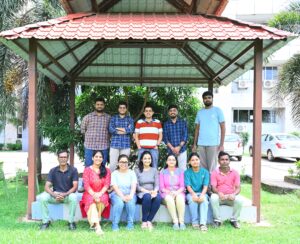
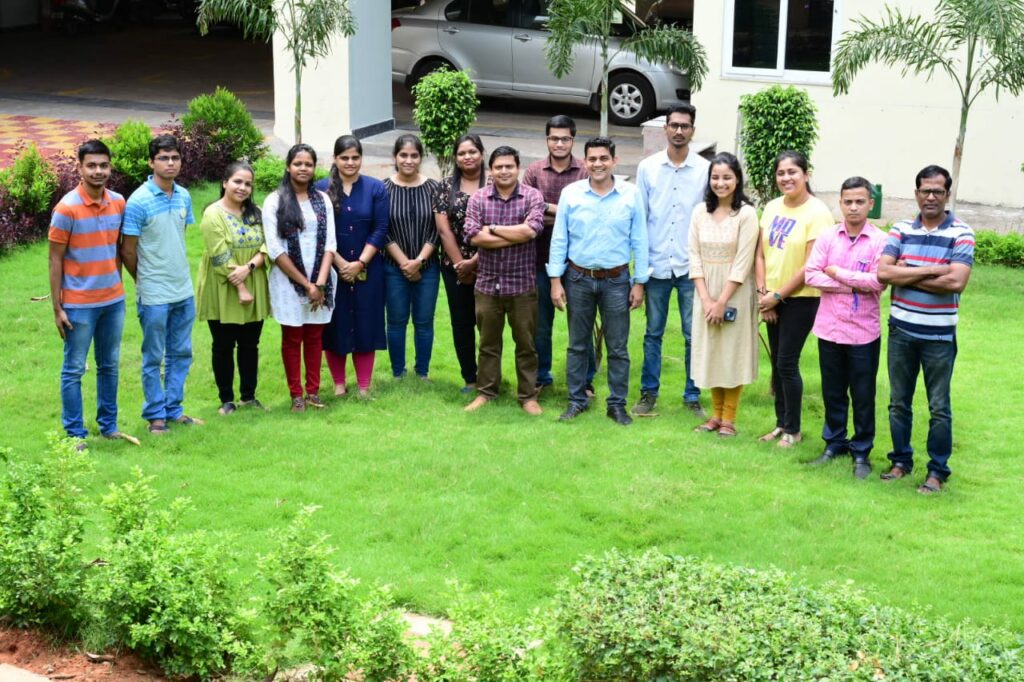
Group

Details

Graduate Students 

Prajna Paramita Saran (JRF) E-mail: prajna@ils.res.in

Supriya Halder (JRF) E-mail: supriyahalder580@gmail.com

Ritwik Biswas (JRF) E-mail: ritwikb1020@gmail.com

Deepti Parida (SRF) E-mail: parida.deepti@yahoo.in

Swayambara Mishra (SRF) E-mail: swayambara1996@gmail.com

Amlan Priyadarshee Mohapatra (SRF) E-mail: priyadarshee1998@gmail.com
Salona Kar (SRF)E-mail: salonakar@gmail.com

 Lab. Technician

MadanMohan Mallick

Lab Alumni

PhD Students:

  1. Dr. Sumeet Jain
  2. Dr. Sujit Suklabaidya
  3. Dr. Biswajit Das
  4. Dr. Debasish Mohapatra
  5. Dr. Voddu Suresh 
  6. Dr. Aliva Minz
  7. Dr. Manisha Sethi
  • Post Doc/ Women scientists:
  1. Dr. Amruta Mohapatra
  2. Dr. Padmanava Behera
  3. Dr. Varshasnata Mohanty
  4. Dr. Jayalaxmi Dash
  5. Dr. Pujarini Dash
  6. Dr. Hrudananda Malik

Grants

Details

Extramural funding

Source Duration Role
DBT-BIRAC 2021-2022 PI
DBT 2020-2022 Co-PI
DST-SERB 2018-2020; Completed PI
DBT 2017-2019; Completed PI
DST-SERB 2016-2018; Completed Co-PI
Ramalingaswami Fellowship (DBT) 2012-2017; Completed PI

Contacts

EmailAddressFaxOffice
senapati@ils.res.inNalco Square, Bhubaneswar-751023, India0091 674 2301460

Highlights

Positions