Academics
| Degree | University/Institution |
|---|---|
| Ph.D. | Department Biotechnology, IIT Kharagpur, India |
Work Experience
| Position | University/Organisation | Period |
|---|---|---|
| Scientist F | Institute of Life Sciences | 2024 onwards |
| Scientist E | Institute of Life Sciences | 2019-2024 |
| Scientist D | Institute of Life Sciences | 2015-2019 |
| Ramalingaswami Fellow | Institute of Life Sciences | 2012-2015 |
| Post-Doctoral Fellow | VCU Medical Center, Richmond, VA | |
| Research Fellow | Institute of Molecular and Cell Biology, Singapore |
Awards & Recognition
| Details |
|---|
|
Research
| Details |
|---|
Broad research activities I) Rewiring to reverse chemoresistance in Oral Squamous Cell Carcinomas (OSCC) Chemoresistance is one of the major factor in treatment failure of OSCC. Chemotherapy successfully eliminates the rapidly dividing cells in tumor mass but poorly targets the slowly dividing cells. Due to acquired chemoresistance, the patients experience continued tumor growth with metastatic disease. However, the exact causative factors responsible for it are yet to be explored. The chemoresistance phenotypes can be attributed to reduced apoptosis, enhanced cancer stem cell population, altered metabolic activity and decreased drug accumulation. All these hallmarks are endpoint events when the tumor cells have already acquired drug resistance. Till date, majority of the study engaged in analyzing either the parental drug sensitive cells or late drug resistant cells to understand the molecular mechanism for chemoresistance. However, the intermediate or transition phase of tumor cells (early chemoresistance) during the process of acquired chemoresistance is poorly characterized. The long term objective to discover the causative factors those play major role in acquiring chemoresistance in OSCC by characterizing sensitive, early and late resistant cells. Small molecules targeting those causative factors would rewire to reverse chemoresistance in OSCC. Appropriate model representing sensitive, early and late drug resistant pattern were established using OSCC lines and patient derived cells from clinical samples . Using genomics, proteomics and high through put screening approach, the sensitive, early and late drug resistant cells are being characterized to discover major drivers of drug resistance in OSCC . II) Systemic and targeted gene therapy for cancer, targeting anti-apoptotic Bcl-2 family members for effective therapy of oral squamous carcinomas. Developing an effective systemic and targeted gene therapy for cancer A major challenge for effective gene therapy is the ability to specifically deliver the therapeutic directly into diseased tissue without exposure to the immune system, particularly with a systemic approach in an immune competent animal model. Progress in gene therapy has been hampered by concerns over the safety and practicality of viral vectors, particularly for intravenous delivery, and the inefficiency of currently available non-viral transfection techniques. We will explore novel targeted-delivery approaches to develop a site-specific delivery and henceforth therapy in immune competent transgenic mouse cancer model. These approaches of systemic gene delivery will facilitate development of efficient, selective and non-toxic modes for gene therapy using therapeutically beneficial genes that offer significant potential to translate into a Phase I/II clinical trial. For therapeutic arms we will explore the tumor suppressor activity of 1) human melanoma differentiation gene-7/Interleukin-24 (mda-7/IL-24) and 2) Suppressor of AP-1 regulated by IFN (SARI) in oral squamous cacinomas. mda-7/IL-24 shows ubiquitous anti tumor effect, its mode of action involves preferential induction of apoptosis in cancer cells while exerting no discernible toxic effects toward normal cells by eliciting unique potent “antitumor bystander activity” as a consequence of autocrine secretion. Similarly, forced expression of SARI resulted in tumor-selective growth inhibition and induction of apoptosis in prostate cancer, malignant glioma and metastatic melanoma cells. Although the precise molecular mechanism by which SARI induces tumor-suppressing activity requires further clarification, preliminary studies revealed that forced expression of SARI resulted in inhibition of DNA binding of activator protein (AP-1) complexes and, consequently, it selectively inhibited AP-1-dependent gene expression. Targeting anti-apoptotic Bcl-2 gene family for effective therapy of Oral squamous carcinomas: Despite intensive investigation, oral cancer remains formidable clinical challenges resulting in high frequencies of morbidity and mortality. Reprogramming tumor cells to undergo programmed cell death (apoptosis) represents a promising and powerful strategy for treating both local and metastatic disease. Ways of achieving this objective involve the selective down regulation of dysregulated oncogenes and/or expression/activation of apoptosis-inducing genes or their products in tumor cells. For example the role of Bcl-2 family members is critical for onset and progression of cancer. Dysregulation of Bcl-2 family members including myeloid cell leukemia-1 (Mcl-1) is often implicated in the acquisition of resistance to apoptosis in malignant cell lines. Mcl-1 plays a pivotal role in cancer cell survival, including that of oral cancer cells, suggesting involvement of this gene in oral squamous carcinogenesis. Over expression of Mcl-1 protects cells from apoptosis induced by a variety of stress-promoting agents. Considering the fact that Mcl-1 is over expressed in the majority of oral cancers, we hypothesize that selectively targeting Mcl-1 alone or in combination with other conventional anti cancer drugs or potential tumor suppressors might provide an effective therapeutic for this metastatic disease.
|
Publications
| Details |
|---|
Top publications
📚 To view the full list of publications by Dr. Rupesh Das, click here |
Group
| Details | |||||||||||||||||||||||||||||||||||||||||||||||||||||||||||||||||
|---|---|---|---|---|---|---|---|---|---|---|---|---|---|---|---|---|---|---|---|---|---|---|---|---|---|---|---|---|---|---|---|---|---|---|---|---|---|---|---|---|---|---|---|---|---|---|---|---|---|---|---|---|---|---|---|---|---|---|---|---|---|---|---|---|---|
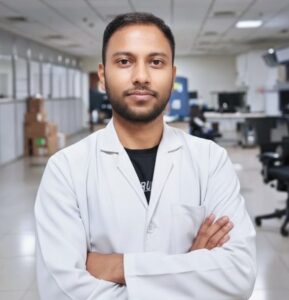
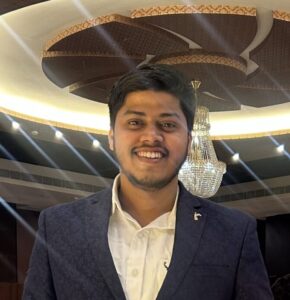
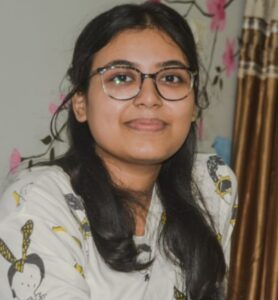
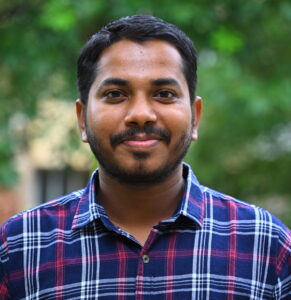
Current Team Members :
Alumni: PhD
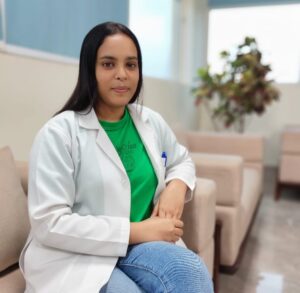
RA/Post-doc/Woman Scientist Dr. Neera Singh Project Fellow
|











Grants
| Details |
|---|
Gene Therapy for Cancer
|
Contacts
| Address | Fax | Office | |
|---|---|---|---|
| rupeshdash@ils.res.in | Institute of Life Sciences, Nalco Square, Bhubaneswar-751023, India | +91 674 2300728 | +91 674 2301460 Ext. 285 |
Highlights
| Details | |||||||||||||||||||||||||||
|---|---|---|---|---|---|---|---|---|---|---|---|---|---|---|---|---|---|---|---|---|---|---|---|---|---|---|---|
Recent Publications:
Summary of Research Achievements and Outputs:
Collaborations:
Gallery: |